
About · Our Facilities
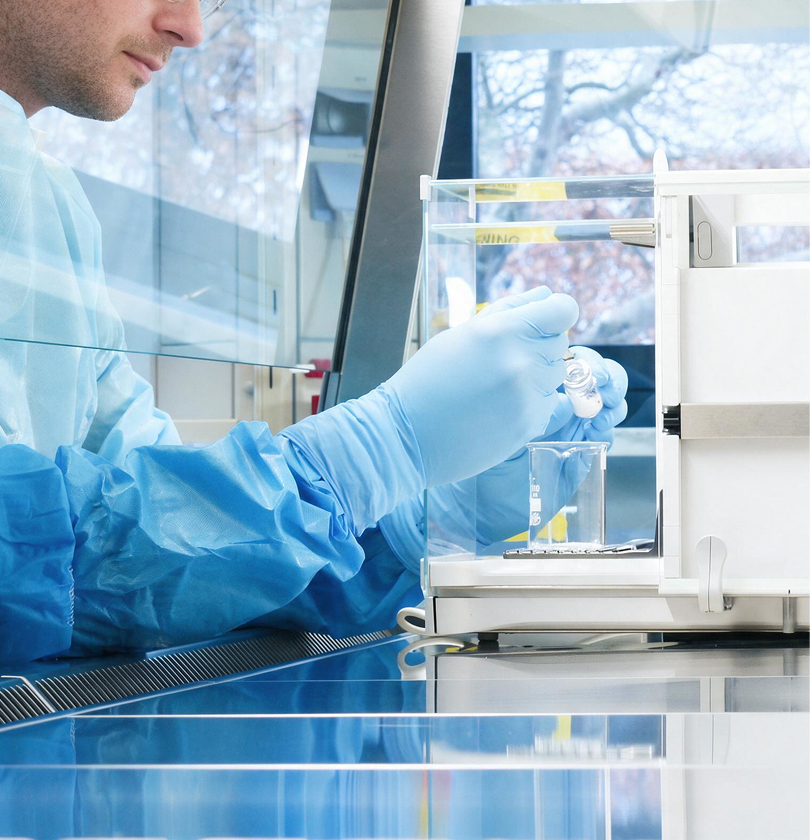
Our formulation and process laboratories in Martinsried
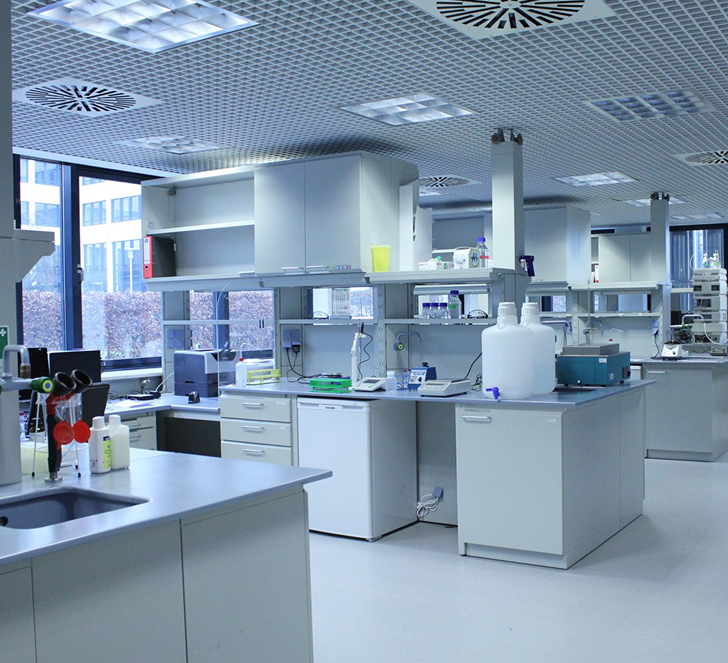
Approximately 850 m² of formulation, process, and analytical laboratories in Martinsried, Munich’s biotech cluster, with separate areas for biologics, cytotoxics, and live viral therapeutics.
Our Munich laboratories, in numbers
- Laboratories and headquarters at Fraunhoferstrasse 22, Martinsried, in the Munich biotech cluster.
Cytotoxic containment, SafeBridge category 4
HOF pilot freeze-dryers, one per
laboratory area
Development laboratory space
Biosafety areas up to GMO S2
Our Munich laboratories are separated by material. Biologics, cytotoxic compounds, and live viral therapeutics each have their own area, analytics, and HOF pilot freeze-dryer.
In our programs, this lets us take a molecule from formulation screening to aseptic, non-GMP preclinical batch production at one site, then transfer the process to the manufacturer you choose.
Analytical and chemistry laboratories
Our analytical laboratories measure drug substance and drug product stability in house, from the first screening study to the last stability time point. Formulation screening uses light scattering and calorimetry to show how stable a molecule is in solution, and chromatography, electrophoresis, mass spectrometry, and particle analysis then track purity, charge variants, and aggregates throughout each study.
In 2025 we expanded our laboratories to house a high-resolution mass spectrometry system for in-depth characterization. We are also a credited laboratory for Wyatt Technology in Europe.
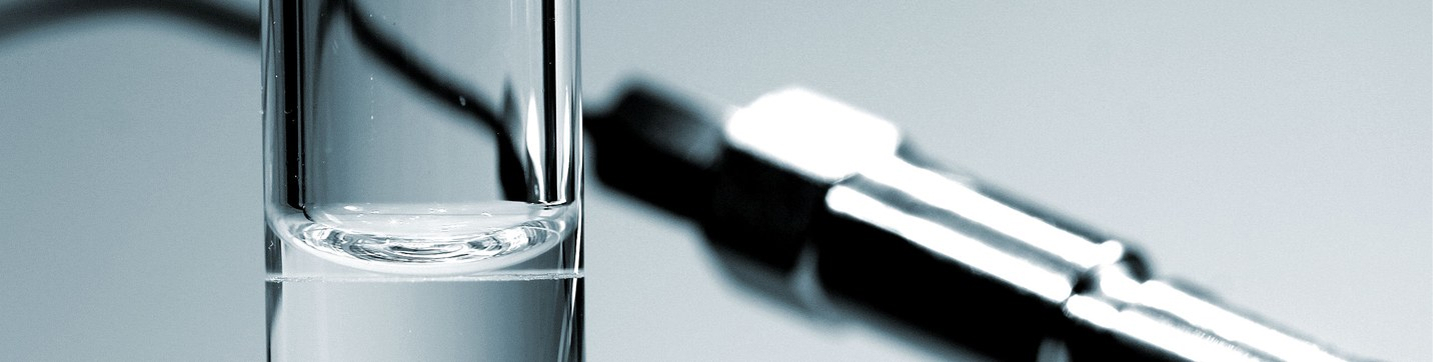
- High-throughput screening of conformational and colloidal stability
- Purity, charge variant, and aggregate analysis
- In-depth characterization by high-resolution mass spectrometry
- Sub-visible particle and turbidity measurement
- Lyophilizate testing: residual moisture, residual solvents, and cake structure
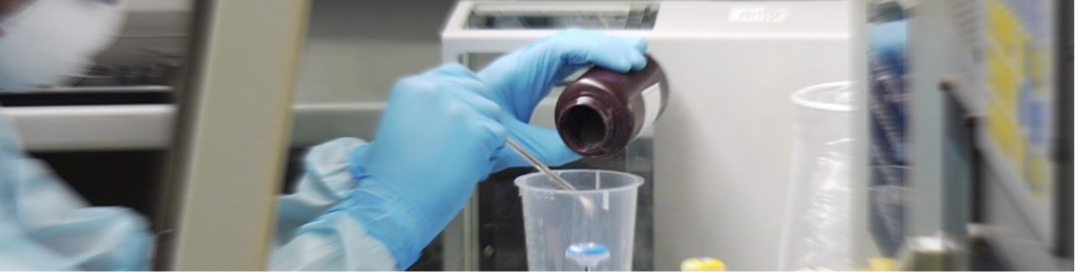
- Containment up to OEB5 (SafeBridge category 4)
- Dedicated HOF pilot freeze-dryer
- Class II workbenches
- Dedicated analytical equipment for cytotoxic samples
- Lyophilization from organic solvents
Cytotoxic and ADC laboratory
Our cytotoxic laboratory has handled highly potent compounds up to OEB5 (SafeBridge category 4) since it opened in 2011. The space is compatible with cytotoxic small molecules, HPAPIs, and ADCs. It is isolated from our other areas and has its own, dedicated equipment.
We lyophilize linker-payloads and other APIs from organic solvents and solvent/water mixtures. Vials can be sealed in permeable lyophilizate-friendly bags, which keep the compound inside and protect the product from outside contamination.
Biosafety laboratories (BSL-1 & 2)
Our biosafety laboratories handle live viral therapeutics and other biological material up to BSL-2 and GMO S2 classification. The BSL-2 laboratory was added in 2017 for advanced therapy medicinal products such as viral vectors and living cells, and we develop their formulations and lyophilization cycles inside the containment area.
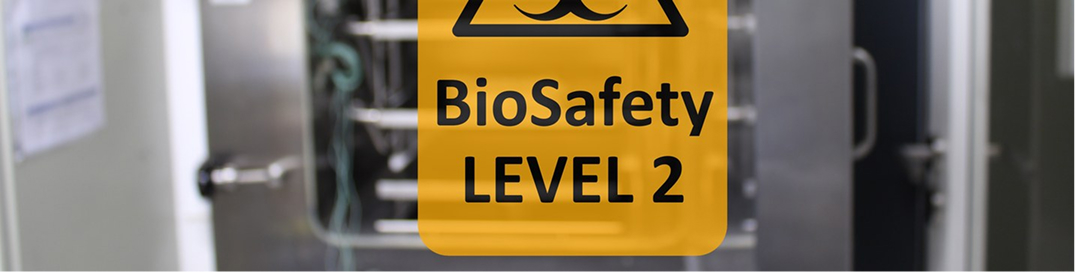
- BSL-1 and BSL-2 areas, up to GMO S2
- Dedicated HOF pilot freeze-dryer
- Particle size and count analysis for viral particles
- Adenovirus, AAV, lentivirus, VLPs, and bacteriophage
- Permeable lyophilization bags to contain infectious material
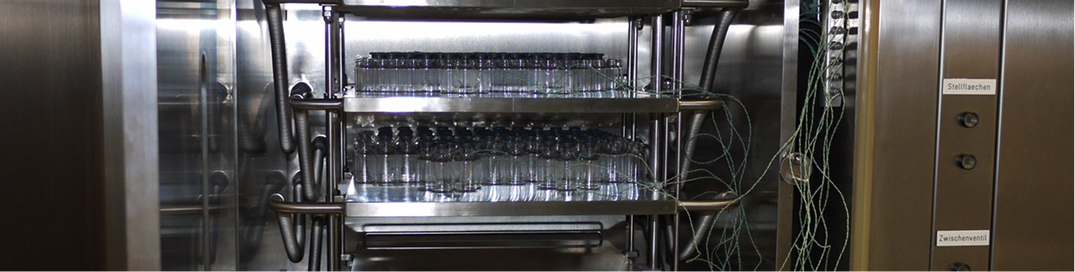
- Shelf areas from 0.25 to 0.50 m², ice condensers from 5 to 10 kg
- Actively cooled chamber walls and adjustable valve diameter
- Collapse temperature and thermal transition analysis
- Controlled nucleation, with video and infrared monitoring of individual vials
- Bulk lyophilization in stainless steel trays or single-use bags and trays
Lyophilization pilot plant
We develop freeze-drying cycles on three industrial HOF pilot freeze-dryers, one each for non-cytotoxic, cytotoxic, and viral products. Before we develop a cycle, we adjust the dryer to the conditions of your manufacturer’s production freeze-dryer.
Aseptic work & preclinical batches
We manufacture aseptic, non-GMP preclinical batches for stability, PK/PD, and toxicology studies. Depending on the need, this supply then transfers to the manufacturer or downstream CRO you choose.
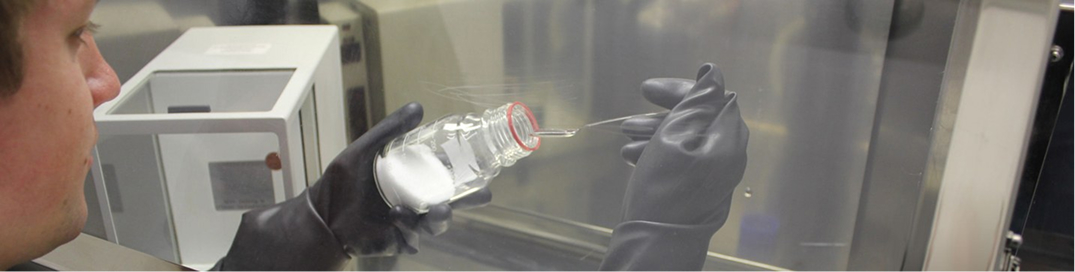
- Compounding and filling under class II workbenches
- Filter types, filling pumps, hold times, and contact materials matched to your manufacturer’s process
- Fill and finish process mock-up and sterile filtration study
- GMP-like documentation for every batch
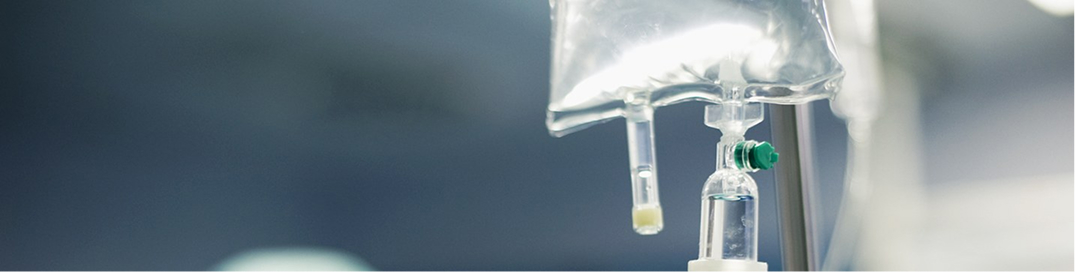
- Infusion stands for gravity infusion
- Perfusor pumps
- IV bags, lines, and diluents
- Closed-system transfer devices
Red-light and in-use laboratories
We handle light-sensitive molecules under red light in dedicated rooms. Our in-use laboratory simulates clinical administration, from the infusion bag to the end of the infusion line.
Quality system
All studies in our facilities follow our GLP-like quality system:
- Standard operating procedures cover analytical methods, equipment qualification and maintenance, processes, and documentation.
- Measuring systems are regularly maintained and calibrated.
- Test methods are qualified or follow the pharmacopoeia.
- Results go into electronic lab journals, with daily backups to central and external servers.
- Every final report is reviewed under the four-eyes principle.
Where we work
Fraunhoferstrasse 22, 82152 Martinsried, Germany
Boston, Massachusetts, USA
BiGEN Co., Ltd. acts as our Asian representative office
Research tax credit (CIR) for French clients
PJP holds CIR approval for the benefit of our French clients.
Frequently asked questions
Didn’t find your question? Conversations and quotes are always free.
Where are your formulation development laboratories located?
In Munich, Germany, in the Martinsried biotech cluster at Fraunhoferstrasse 22, 82152 Martinsried. Business development for North America works from Boston, and BiGEN represents us in Asia.
Which quality standards do your laboratories work to?
A GLP-like quality system based on ICH pharmaceutical development guidelines and the WHO good practices for research and development facilities (2020), with documentation suitable for regulatory submission.
Which container formats can your laboratories fill and freeze-dry?
Vials from 2R to 100H, prefilled syringes, cartridges, dual-chamber systems, and nest-and-tub configurations. We test in the primary packaging your manufacturer will use.
How large a pilot batch can your freeze-dryers produce?
Up to about 1,000 2R vials in one aseptic, non-GMP preclinical batch, which is the full load of our largest pilot freeze-dryer.
How soon can a project start in your laboratories?
Projects typically start 2 to 4 weeks after we agree on the scope, whether you need a single work package or a full development program.
Can we visit your laboratories before we place a project?
Yes. We often allow current and potential clients to visit our facilities for a guided tour and to discuss projects and collaborations. If you would like to schedule a visit, please contact us.
Can you store our drug substance frozen until compounding?
Yes. We keep API containers deep-frozen and compound on site from the bulk drug substance you supply.
Do you run ADC mass spectrometry analytics in house?
Yes. We determine drug-to-antibody ratio and drug-load distribution, and run multi-attribute analysis by mass spectrometry, plus glycosylation and host cell protein analysis.
Didn’t find your question? Conversations and quotes are always free.
Talk to the scientists who run our Munich laboratories
Our calls get technical quickly. If another partner fits better, we’ll tell you.