
Cytotoxic and high-potency formulation. Liquid or freeze-dried.
We develop liquid and lyophilized formulations for cytotoxic and other highly potent small molecules, including NCEs and generics. Our cytotoxic laboratory handles compounds up to OEB5 and SafeBridge category 4.


Potent molecules, in numbers
- The share is approximate and covers our whole portfolio of formulation and process projects.
of our projects: cytotoxic small molecules
with SafeBridge category 4 handling
from scope alignment to project start
lyophilization development programs
Hard to dissolve. Quick to degrade. Unsafe to handle openly.
Many cytotoxic and highly potent APIs are hydrophobic: they dissolve poorly in water and can precipitate on dilution. Once dissolved, they can degrade by hydrolysis or oxidation during compounding, filling, and freeze-drying, and some are light sensitive.
So the formulation, the process, and the containment have to be designed together.
Built around the molecule
Each formulation starts from the molecule’s own data. Solubility and excipient screening, then quality-by-design development under ICH Q8, set the vehicle, pH, and process for a liquid or lyophilized product.
Containment plus solvent analytics
Our separate cytotoxic laboratory has a class II workbench and single-use Lyoprotect bags. We measure residual solvent, moisture, thermal transitions, and degradation products.
What we screen for under stress:
- Residual solvent
- Hydrolysis
- Poor solubility
- Precipitation on dilution
- Oxidation
- Light sensitivity
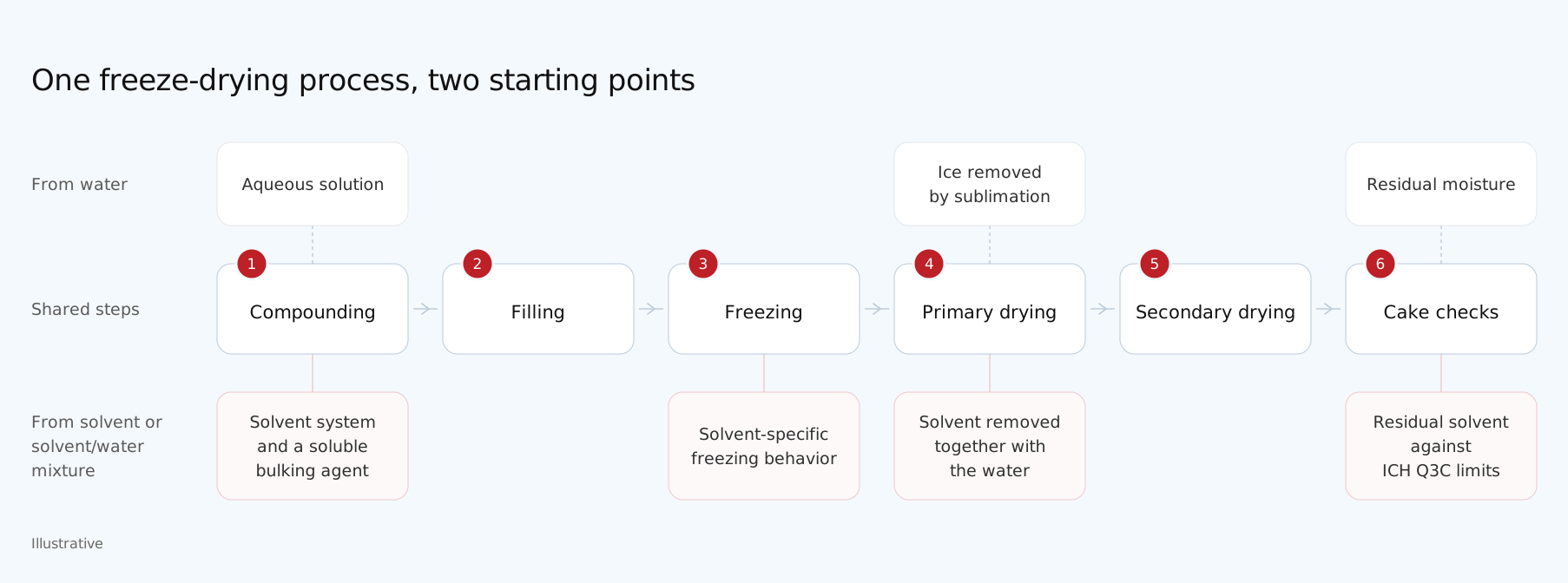
Freeze-dry from water, solvent, or both?
For a molecule that stays stable in water, a liquid or an aqueous lyophilizate is usually the simpler route.
When solubility or hydrolysis rules out water, freeze-drying from an organic solvent or a solvent/water mixture can be the way forward. Solubility, degradation rate, target dose, and handling at the clinic decide the route.
Liquid
Best for: Molecules that stay soluble and stable in aqueous solution
Hydrolysis and oxidation over shelf life; precipitation from dilution shock
Shortest route; no freeze-drying cycle to develop
Cold chain often needed; liquid handled under cytotoxic precautions
Only if a co-solvent stays in the final formulation
Supplied ready to dilute or ready to use
Lyophilized from water
Best for: Water-soluble molecules that degrade in solution over time
Degradation during compounding and filling, before freezing starts
Moderate; cycle developed and run under cytotoxic containment
A dry cake can simplify storage and shipping
Not applicable; residual moisture is the controlled attribute
Reconstituted, then diluted, following cytotoxic handling procedures
Lyophilized from solvent
Best for: Poorly water-soluble or hydrolysis-prone molecules that need another solvent
Residual solvent, cake collapse, and solvent-specific freezing behavior
Longest; solvent system, bulking agent, and cycle developed together
Solvent vapor adds to containment and freeze-dryer requirements
Measured against ICH Q3C residual solvent limits
Reconstitution is checked as part of cake characterization
New entity, generic, or process work
New chemical entities need a formulation built from first data. Generics need to match an originator. Both need a process that holds up at the manufacturer.
A program can combine all three, with the formulation first and the process work planned around it.
New chemical entities
- Solubility and excipient screening
- Compounding process development
- Liquid and lyophilized formulation
- Freeze-drying from solvent systems
- Residual solvent and moisture analytics
Generic injectables
- Originator product analysis
- Compounding process development
- Headspace definition in the vial
- Primary packaging matched to the originator
- Formulation and cycle development
Process and batches
- Cycle mock-up for the pivotal tox batch
- Sterile filtration and fill-finish mock-ups
- Manufacturability assessment
- Process robustness and design space
- Aseptic, non-GMP preclinical batches
- Technology transfer to GMP manufacturing
If water can't dissolve the drug, the solvent shapes the whole cycle.
Organic solvents and solvent/water mixtures can bring a poorly soluble cytotoxic to its target concentration. The solvent leaves with the water during primary drying, but it changes freezing, drying, and cake structure, and the bulking agent must dissolve in the same mixture.
We develop the solvent system and cycle together, monitor collapse by critical pressure scan, and keep residual solvent within ICH Q3C limits.
Tell us about the molecule. We'll scope the work.
Under a CDA: structure or compound class, solubility data, OEB or exposure data, target dose and presentation, and for generics, the originator. You get a proposal with the studies, their order, and the timeline.
Questions we hear before a potent molecule arrives
Which highly potent compounds can your laboratory handle?
Compounds up to OEB5 and SafeBridge category 4, including cytotoxic small molecules, other HPAPIs, and standalone payloads. The work runs in a physically separate cytotoxic laboratory with a class II workbench.
Can you freeze-dry a drug that only dissolves in organic solvent?
Yes. We lyophilize from organic solvents and solvent/water mixtures, and measure residual solvent against ICH Q3C limits.
Do you formulate non-cytotoxic small molecules and generics too?
Yes. We develop new chemical entities and generics, cytotoxic or not. For a generic, we first analyze the originator product: vial, stopper, fill volume, and other presentation details.
Do you make preclinical batches of cytotoxic drug product?
Yes. We make aseptic, non-GMP preclinical batches, including for toxicology studies, and run a cycle mock-up for the pivotal tox batch. Batches ship to your team; the process transfers to your manufacturer.
How soon can a cytotoxic formulation project start?
Projects typically start 2 to 4 weeks after scope alignment. The first step is a proposal based on the data you share under a CDA.
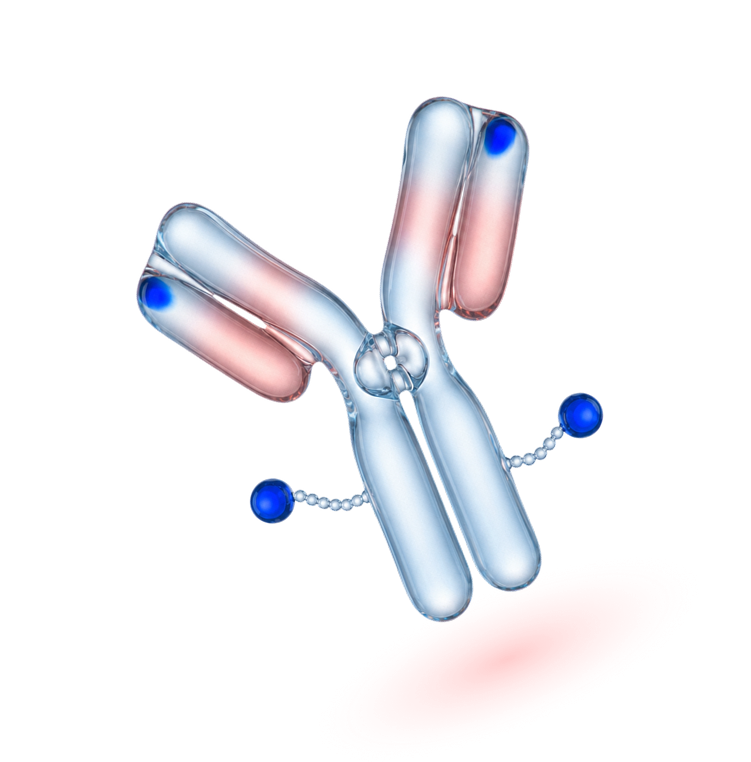
Can you formulate ADC payloads, linker-payloads, and other intermediates?
Yes. Standalone payloads are formulated like any potent small molecule. Linker-payload bulk and the antibody intermediate are developed within our ADC formulation programs.
Do you develop liposomal formulations of cytotoxic drugs?
Yes. We formulate and freeze-dry drug-loaded liposomes, which can carry cytotoxic APIs to overcome solubility limitations. The encapsulation process and its options are covered on our liposomal formulation page.
Do you formulate cytotoxic or highly potent peptides?
Yes, under the same containment as small molecules.
Didn’t find your question? Conversations and quotes are always free.
Bring us your cytotoxic or high-potency molecule, and we'll plan its formulation.
Our calls veer technical fast. If we’re not the right partner, we’ll say so.