
Non-GMP toxicology & stability batches. Built to transfer.
We make aseptic, non-GMP preclinical batches of liquid or lyophilized product for toxicology, PK/PD, and stability studies.
Batches usually follow formulation development, and the process transfers to the manufacturer you choose for clinical supply.


Preclinical batches, in numbers
- Biologics, cytotoxics, and live viral vaccines are made in physically separated laboratories.
2R vials per biologics batch
vial sizes, plus syringes and cartridges
cytotoxic containment
from scope alignment to project start
Toxicology material should match the clinical product. The process decides that.
For biologics, ICH S6(R1) asks that the product used in definitive toxicology studies be comparable to the product for initial clinical studies. Formulation, primary packaging, and processing all shape that product.
Matching the container and process from the start keeps toxicology material close to the clinical product.
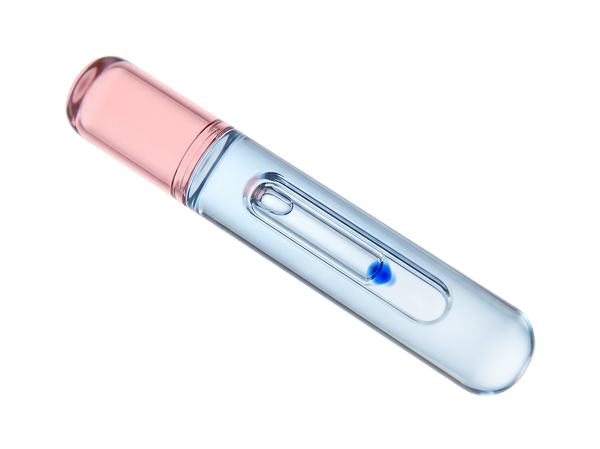
Clinical presentation from the start
We fill the final formulation into the original primary packaging with certified components. The mock-up identifies critical process parameters, and robustness testing across the design space (ICH Q8(R2)) follows before the batch.
Aseptic processing, step by step
We compound with pre-sterilized components, finish with sterile filtration, and fill under a laminar flow class II workbench, with check weights at the start, middle, and end, plus up to 100% visual inspection.
What we screen for:
- Filter adsorption
- Hold-time degradation
- Fill-weight variation
- Particles
- Cake collapse
- Primary packaging interaction
Which batch does your study need?
The toxicology study batch is the one closest to your clinical process. Stability batches use the same process, so their data can reflect the product you plan to file. PK/PD or pilot batches are smaller and answer early dosing questions. The study plan, available API, and target container decide the batch size and format.

Toxicology study batch
Purpose: Test article for toxicology studies in the selected species
Set to match your manufacturer’s filters, pumps, and hold times
Several hundred vials; up to about 1,000 2R vials for biologics
Final formulation in vials, the usual format for toxicology studies
GMP-like documentation of process settings, components, and in-process checks
Settings and critical process parameters feed the transfer to your manufacturer
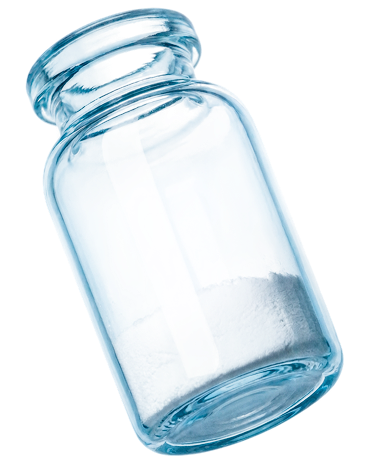
Stability batch
Purpose: Material for accelerated and real-time stability studies before filing
Same process as the toxicology batch, so results can be compared
Sized to the pull points and storage conditions planned
Clinical presentation, including prefilled syringes or cartridges where needed
Process settings recorded for each stability batch
Stability data can then feed the shelf-life plan
PK/PD or pilot batch
Purpose: Exposure and dose-range studies with the developed formulation
Aseptic and close to scale-up; settings can still change
Smaller runs, sized to the animal study design
Liquid or lyophilized, in the container you plan to use
Process settings recorded for each stability batch
Results can inform the dose and batch plan for toxicology
Batch, mock-up, and transfer
Each project combines up to three work packages. The process mock-up identifies the critical parameters, robustness testing confirms their ranges, and the aseptic batch follows.
The transfer package then carries those settings to your manufacturer. You decide after the mock-up whether to proceed.
Aseptic batch
- Product and placebo compounding
- Certified components, final sterile filtration
- Filling by peristaltic or rotary piston pump
- Aseptic freeze-drying in sealed bags
- Check weights, up to 100% visual inspection
- Individual or bulk labeling
Process mock-up
- Thawing and compounding procedure
- Filtration study and filter integrity test
- Filling study and hold times
- Lyophilization cycle mock-up for toxicology batches
- Critical process parameters, design space
- Robustness testing of critical parameters
Transfer to manufacturing
- Technical transfer document
- GMP-like batch documentation
- Scale-up to clinical and commercial
- Hand-off to your manufacturer
The filter you test with should be the one your manufacturer uses.
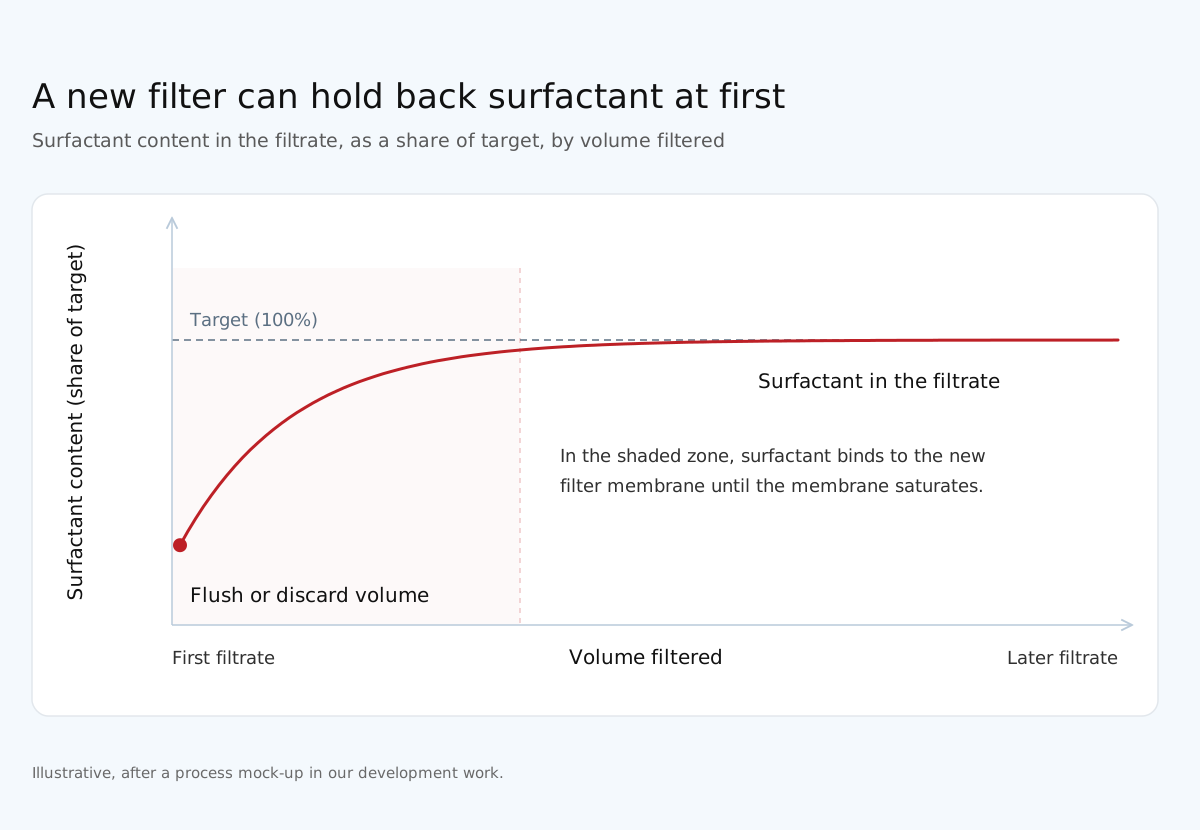
Preclinical batches are small, so what the filter takes up weighs more than at clinical scale. In our process mock-ups, surfactant content in the first filtrate can drop below target while the membrane saturates, then return to target.
We run the filtration study, filling study, and hold times with your manufacturer’s membrane and pump type, then set the flush or discard volume before the batch is filled.
Tell us about the study. We'll scope the batch.
Under a CDA: your study plan (number of units, fill volume, concentration), the formulation and API available, the target container, and your manufacturer’s filters, pumps, and freeze-dryer.
You get a proposal with the batch design, process settings, documentation, and timeline.
Questions we know you have, and actually helpful answers
Which preclinical studies are your batches made for?
Toxicology, PK/PD, and stability studies. Each batch is aseptic and non-GMP, made with GMP-like documentation under a GLP-like quality system.
What is the difference between non-GMP and GMP batches?
GMP batches are made by a licensed manufacturer for clinical supply. Our aseptic, non-GMP batches serve preclinical studies, and the process settings we define transfer to that manufacturer.
How many vials or syringes can you fill per batch?
Up to about 1,000 2R vials per batch in our biologics laboratory, or several hundred syringes. Cytotoxic batches are smaller.
Which containers do you fill for preclinical batches?
Vials from 2R to 100H for most toxicology batches, and prefilled syringes or cartridges when a stability study needs the clinical presentation, single or in nest-and-tub configuration.
How soon can a preclinical batch project start?
2 to 4 weeks from scope alignment to project start. Once a batch is analyzed, results are reported within 5 days.
Can you make batches of cytotoxic products?
Yes. Cytotoxic batches run under containment up to OEB5 (SafeBridge category 4), and lyophilization bags keep the product contained during freeze-drying.
Is a non-GMP preclinical batch sterile?
We make it aseptically, from pre-sterilized components through final sterile filtration, filling under laminar flow, and freeze-drying in sealed bags.
What documentation comes with a non-GMP batch?
GMP-like documentation of components, process settings, and in-process controls, under a quality system that follows GLP-like standards.
With the transfer, you also get a technical transfer document.
Didn’t find your question? Conversations and quotes are always free.
Let's talk about the preclinical batch your study needs next.
Our calls veer technical fast. If we’re not the right partner, we’ll say so.